Belgian Script: A Font for Branding with Class
There’s a specific moment in design where a project stops being a collection of elements and starts to feel like a cohesive, living brand. Often, that transformation hinges on a single, critical choice: the typography. I’ve seen it happen with a client’s new product line. We had the colors, the concept, and the imagery, but it all felt disjointed. The breakthrough came when we swapped out a generic script for something with more character—something like Belgian Script. This beautiful, refined script font didn’t just fill space; it provided the voice. Its elegant, modern cursive instantly connected the high-quality ingredients on the label to the premium promise of the brand, turning a nice design into a memorable identity.
The Visual Personality of a Refined Typeface
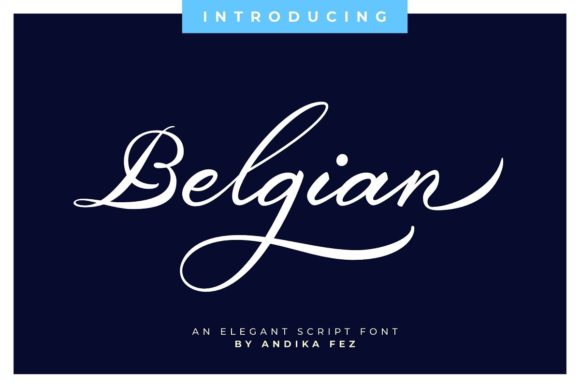
What exactly defines a font like Belgian Script? At its core, it’s a premium script font that walks the line between classic calligraphy and contemporary style. It’s not the overly ornate, hard-to-read script of the past. Instead, it features clean lines, graceful loops, and a flowing rhythm that feels both luxurious and approachable. This balance is crucial for modern applications. It has the sophistication needed for a wedding invitation but the clarity required for a social media post. The visual appeal lies in its ability to convey emotion—elegance, care, creativity—without sacrificing legibility. As a display font, its job is to make a statement, and it does so with a quiet confidence rather than a loud shout.
A significant practical advantage is its PUA encoding. For anyone not deep in typographic tech, this simply means the font comes packed with a full set of alternate characters, swashes, and ligatures. You can access these extras easily through your standard design software without needing special programs. This allows for incredible customization. You can adjust the tail of a “y” to perfectly frame a word, connect certain letter pairs more fluidly, or add a flourish to a capital letter to make a logo truly unique. It turns a static font into a flexible design toolkit.
From Social Media to Stationery: Where It Truly Shines
The true test of any creative font is its versatility. Belgian Script is not a one-trick pony; it’s a workhorse for a wide array of projects. Its modern typography feel makes it adaptable across different mediums, both digital and print.
- Branding & Logo Design: This is where it excels. For businesses in the beauty, wellness, fashion, food, or artisan space, this typeface can become the cornerstone of a brand identity. A logo set in Belgian Script immediately communicates a sense of craftsmanship and style. It works beautifully for boutique bakeries, skincare lines, coaching services, or wedding planners.
- Digital Presence: In the crowded space of social media graphics, a distinct font helps you stand out. Use it for Instagram story quotes, promotional graphics, or YouTube thumbnails. On a web design level, it’s perfect for hero section headlines, banner text, or featured blog post titles where you want to inject personality. Just ensure it’s paired with a clean, legible sans serif font for body text to maintain readability.
- Packaging & Merchandise: Imagine this script on a candle label, a coffee bag, or a cosmetic box. It elevates perceived value instantly. The same goes for merchandise like tote bags, mugs, or apparel. The font’s elegance translates well to physical products, making everyday items feel special.
- Invitations & Print Collateral: This is a natural habitat. Wedding invitations, event programs, thank you cards, and high-end stationery are transformed by its refined look. For editorial design, it can be used for pull quotes, magazine headers, or book titles to add a touch of sophistication.
- Marketing & Digital Products: From email newsletter headers to PDF lead magnets, ebook covers, and course materials, using a cohesive and attractive script font like this enhances professionalism and reinforces brand recognition across all touchpoints.
Practical Advice for Using Script Fonts Effectively
While a font like Belgian Script is beautiful, using it effectively requires some strategy. It’s not about throwing it everywhere; it’s about using it with intention to improve visual consistency and audience engagement.
1. Pairing is Everything: Never use a complex script font for large blocks of text. Its strength is in headlines, logos, and short accents. Pair it with a simple, highly legible sans serif or serif font for paragraphs, captions, and smaller text. A good rule of thumb is to contrast styles: pair the flowing script with a geometric sans serif or a traditional serif. Test your pairings by looking at them together in context—on a mockup website or a sample social media post.
2. Readability is Non-Negotiable: Always consider the context. A flowing script might be perfect for a logo on a website but could be problematic as the main text on a mobile app button. Check its legibility at the size it will be used. The beauty of a well-designed font like this is that its letterforms are distinct enough to remain clear, but you should still test it.
3. Leverage the Included Styles: Don’t just use the default characters. Explore the alternate glyphs and swashes. This can help you avoid the “templated” look and create something that feels custom-designed for your project. Use a stylistic alternate on the first letter of a headline to add flair, or use a swash to connect two words in a logo for a more integrated feel.
4. Understand Licensing for Commercial Use: If you’re using this for a client project, merchandise for sale, or any commercial endeavor, you must ensure you have the correct commercial font license. Most premium fonts come with clear licensing terms—often a one-time purchase for desktop use that covers a wide range of projects. Always read the license agreement to understand what is permitted, especially if you plan to embed the font in digital products like apps or PDFs for sale.
A Tool for Crafting a Cohesive Visual Story
Ultimately, a typeface is more than just a collection of letters; it’s a design asset that carries meaning and sets a mood. Choosing a font like Belgian Script is a decision to imbue your project with a sense of elegance, modernity, and thoughtful design. It’s about selecting a tool that helps you tell a more compelling visual story, whether that story is for a client’s brand identity, your own online store, or a personal creative project. The key is to use it purposefully—to let it accentuate, not overwhelm. When you match its refined personality to the right project and pair it wisely, it becomes a powerful component in creating work that feels polished, professional, and genuinely engaging.