Bertilda Script: The Font That Makes Your Brand Unforgettable
There’s a moment in every design project when you realize the typeface you chose isn’t just filling space—it’s telling a story. Maybe it’s a wedding invitation that needs to feel personal, a coffee bag that should evoke warmth, or a social media graphic that demands a second glance. That’s where a font like Bertilda Script steps in, not as a mere tool, but as a character in your visual narrative. It’s a premium script font that carries the elegance of hand-lettering with the reliability of digital precision, making it a standout choice for anyone looking to inject authenticity and sophistication into their work.
A Typeface with Personality and Poise
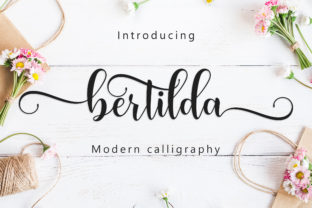
What immediately draws you to Bertilda Script is its balanced fluidity. It avoids the overly swirly, hard-to-read pitfalls of some script fonts while maintaining a distinct, organic charm. The letterforms flow with a natural rhythm, featuring subtle variations in stroke width that mimic the pressure of a real pen or brush. This gives it a human touch that feels both modern and timeless. Whether you’re designing a logo for a boutique skincare line or crafting headers for a lifestyle blog, this typeface brings a level of artistry that standard serif or sans serif fonts simply can’t match.
But its appeal goes beyond aesthetics. Bertilda Script is designed with practicality in mind. It often includes a full set of stylistic alternates, ligatures, and swashes, allowing you to customize the look to perfectly suit your project. This flexibility is crucial for creating unique brand identities. You can adjust the beginning and ending letters to create seamless connections or add a flourish to a standout letter in a headline. This kind of control transforms a font from a static asset into a dynamic design partner.
From Screen to Shelf: Real-World Applications
The true test of any creative font is how it performs across different mediums. Bertilda Script excels in bridging the gap between digital and print, maintaining its clarity and impact everywhere.
- Branding & Logo Design: For businesses that want to convey craftsmanship, luxury, or personal service—think bakeries, florists, boutique agencies, or artisanal goods—Bertilda Script can form the core of a memorable logo. Pair it with a clean, geometric sans serif for business names and taglines to ensure readability while letting the script shine in key accents.
- Packaging & Merchandise: On physical products, this handwritten font adds a tactile, premium feel. It’s perfect for product names on labels, hang tags, or the front of a tote bag. Its elegance ensures that the text doesn’t get lost in busy patterns but instead becomes a focal point of the design.
- Digital Presence & Social Media: In the fast-scrolling world of social media, a unique script font can stop the thumb. Use it for Instagram story quotes, Pinterest pin titles, or YouTube video thumbnails to add a personal, authoritative voice. For websites, it works beautifully in hero sections, pull quotes, or for author names on blogs, adding warmth that contrasts well with body text in a readable serif or sans serif.
- Print & Editorial Design: Think beyond digital. Bertilda Script is stunning on wedding invitations, event posters, book covers, and magazine mastheads. In editorial layouts, it can highlight subheadings or call-out quotes, guiding the reader’s eye and breaking up blocks of text with visual interest.
- Marketing & Digital Products: From email newsletter headers to lead magnet covers and course graphics, this font helps create a cohesive and professional look for all your marketing assets. It signals quality and attention to detail, which can enhance perceived value and audience engagement.
Making It Work: Practical Typography Tips
Adopting a distinctive script font requires a thoughtful approach to ensure it enhances, rather than hinders, your message. Here’s how to integrate Bertilda Script effectively.
Prioritize Readability Above All. The most beautiful font is useless if people can’t read it. Reserve Bertilda Script for shorter text elements: headlines, logos, slogans, or single-line accents. Avoid using it for long paragraphs or small body copy. Always test your designs at the actual size they will be viewed—what looks elegant on a large monitor might become an illegible blur on a mobile phone or a small printed label.
Master the Art of Font Pairing. A script font needs a stable partner. The classic rule is to pair it with something highly legible and neutral. A simple sans serif like Montserrat or Lato provides a modern, clean contrast. A traditional serif like Garamond or Georgia can create a more classic, editorial feel. The key is contrast in structure and weight, ensuring the two fonts don’t compete but complement each other. Let Bertilda be the star, and its partner be the reliable supporting actor.
Explore All the Features. Don’t just type and go. Dive into the font’s character map or OpenType features in your design software. Experiment with stylistic alternates to change the look of a letter ‘b’ or ‘h’. Use ligatures to create beautiful connections between letters like ‘th’ or ‘st’. These small adjustments can make your typography look truly custom and intentional, elevating your brand identity from generic to bespoke.
Understand the Licensing. Since Bertilda Script is a premium commercial font, it’s vital to ensure you have the correct license for your project. If you’re a designer creating work for a client, you typically need a license that covers the end product. If you’re a small business owner using it on your own website and merchandise, a standard desktop or web font license will suffice. Always read the license agreement to avoid legal issues down the line—it’s a small step that protects your investment and your business.
The Takeaway: More Than Just a Pretty Font
Choosing a typeface is a strategic decision. Bertilda Script offers more than just visual appeal; it provides a toolkit for building consistency, recognition, and emotional connection. It helps tell a story of care, quality, and creativity. By applying it thoughtfully—respecting its strengths, pairing it wisely, and leveraging all its stylistic options—you can transform standard designs into standout pieces that resonate with your audience. It’s not about following a trend, but about finding a reliable design asset that helps your unique voice be seen and remembered.