Leadent Script: Crafting Authentic Brand Stories
There’s a moment in every design project where the visual elements need to stop feeling manufactured and start feeling human. You’ve chosen your color palette, you have your layout, but the typography feels sterile, disconnected from the soul of what you’re trying to communicate. This is where the character of a typeface becomes the bridge between a brand and its audience. A font like Leadent Script doesn’t just fill space; it introduces a voice, a texture, and an immediate sense of authenticity that can transform a generic template into a memorable piece of communication.
The Handwritten Charm in a Digital World
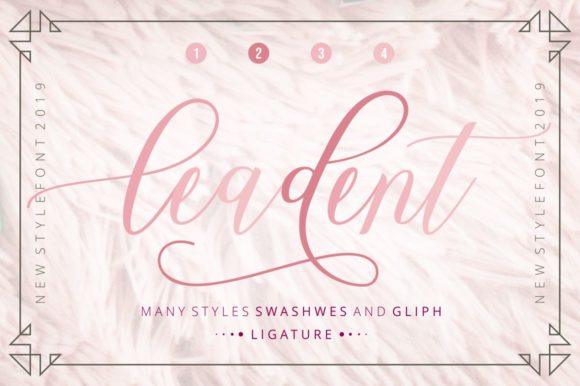
What sets a truly effective script font apart is its ability to mimic the organic flow of handwriting without sacrificing legibility or versatility. Leadent Script excels here, offering a fluid, connected letterform that feels genuinely crafted. It’s not a rigid, perfectly symmetrical display font; it has subtle variations in stroke weight and a natural baseline that give it warmth. This quality makes it an invaluable asset for anyone looking to inject personality into their work. For a small business owner, it can be the difference between a logo that feels corporate and one that feels approachable. For a blogger, it can turn a standard quote graphic into something that feels personal and shareable.
From Logo Lockups to Packaging Details
The practical applications of a well-designed script font are vast, touching nearly every facet of visual branding and marketing. Consider how Leadent Script can serve across different mediums:
- Logo Design & Brand Identity: It works beautifully as a primary wordmark for brands in the wellness, artisan food, boutique retail, or creative service spaces. Paired with a clean sans-serif for body text, it establishes a distinct hierarchy and emotional tone.
- Packaging & Product Labels: On packaging, a script font adds a tactile, handmade quality. Use it for product names on coffee bags, candle labels, or cosmetic packaging to suggest craftsmanship and care.
- Social Media Graphics: In the fast-scrolling environment of Instagram or Pinterest, a handwritten font stops the eye. It’s perfect for quotes, announcements, and story overlays that need to feel immediate and relatable.
- Website & Blog Elements: While not for body copy, it’s ideal for pull quotes, article titles, section headers, and call-to-action buttons where you want to draw attention and soften the digital interface.
- Print & Editorial Design: From wedding invitations and greeting cards to magazine feature titles and restaurant menus, it adds an elegant, personal touch that engages readers.
Building Visual Consistency and Recognition
Using a distinctive font like Leadent Script consistently across your marketing assets is a powerful branding strategy. When a customer sees that same fluid lettering on your website header, your Instagram post, and your product packaging, it creates a subconscious thread of recognition. This consistency builds trust and makes your brand more memorable. The key is to establish clear guidelines: define where and how the script font will be used (e.g., only for headlines and accent text) and pair it with a highly readable serif or sans-serif font for all longer-form content. This pairing ensures your designs remain professional and accessible, balancing personality with clarity.
Practical Tips for Implementation
Adopting a new creative font requires more than just installation. To use Leadent Script effectively, consider these practical steps:
- Review the Full Character Set: Explore the included glyphs, alternates, and ligatures. A premium script font often includes stylistic swashes or alternate letterforms that can add flair to specific words or initials, allowing for even greater customization.
- Test Font Pairings Rigorously: Don’t assume. Pair it with a few different options—a geometric sans-serif for a modern contrast, a traditional serif for a classic feel. See which combination best serves your project’s mood and ensures the script remains a highlight, not a hindrance.
- Prioritize Readability: Script fonts, especially connected ones, can be challenging at small sizes or on low-resolution screens. Test your designs at the intended output size. Use it for short, impactful phrases rather than paragraphs. Ensure there is enough contrast between the text and background.
- Understand the License: If you plan to use the font for client work, merchandise, or digital products, always verify the commercial licensing terms. A clear license protects you and ensures the font is used appropriately for both personal and commercial projects.
Ultimately, the goal of any design asset is to communicate more effectively. A typeface like Leadent Script is a tool for adding nuance, emotion, and a distinct point of view. It allows you to craft visuals that don’t just convey information but also tell a story, making your work—and by extension, your brand—more engaging and human. By thoughtfully integrating it into your design system, you can create a cohesive and compelling visual language that resonates with your audience.