Milford Script: A Typeface That Tells a Story
There’s a specific kind of visual magic that happens when a design feels instantly personal, as if the message were handwritten just for the viewer. That’s the feeling evoked by Milford Script, a dazzling script font that captures the essence of elegant penmanship with a modern twist. It’s more than just a collection of letters; it’s a tool for adding warmth, authenticity, and a touch of sophistication to your creative work. For designers, entrepreneurs, and creators alike, finding a typeface that consistently delivers this level of charm is like striking gold. This font is neatly crafted and highly detailed, making it a wonderful asset to any font library with the potential to enhance virtually any creation.
More Than Just Pretty Letters
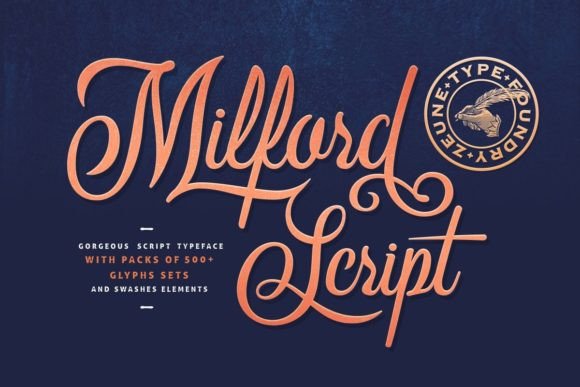
At its core, Milford Script is a premium font designed for impact. Its flowing, connected letterforms mimic the natural movement of a brush or pen, creating a rhythm that guides the eye smoothly across a page or screen. This isn't a stiff, formal calligraphy; it has a relaxed, contemporary energy that feels approachable yet polished. The detailing in each character—from the subtle variations in stroke thickness to the graceful swashes—demonstrates a level of craftsmanship that elevates a project from ordinary to memorable. As a display font, it’s built to command attention in headlines, logos, and featured text, acting as a visual anchor that sets the entire tone for your design.
Where Your Brand Finds Its Voice
Imagine a bakery’s logo where the name feels as warm and inviting as the scent of fresh bread. Picture a boutique clothing tag that whispers of exclusivity and care. This is where Milford Script transitions from a design asset to a brand-building powerhouse. In logo design, it can instantly convey personality—whether it’s the handcrafted quality of an artisan, the romantic flair of a wedding planner, or the creative energy of a digital studio. For packaging design, it adds a layer of perceived value and thoughtfulness, suggesting that the product inside was made with attention to detail.
Its application extends beautifully into the digital realm. On a website or blog, using it for key headings or pull quotes can break the monotony of standard body text, injecting personality and improving visual hierarchy. For social media graphics, it’s a secret weapon for stopping the scroll. A testimonial overlay, a promotional announcement, or a simple quote rendered in this script font gains an immediate human touch, fostering better audience engagement. It transforms static posts into shareable moments.
The Practical Side of Beautiful Typography
While its beauty is undeniable, a font’s real value lies in its practicality. Milford Script excels here because it’s designed as a commercial font with multiple use cases in mind. It’s not just for digital mockups; it’s built to perform across mediums. Think of the print materials that make a lasting impression: elegant wedding invitations, stylish posters for a gallery opening, or sophisticated editorial layouts in a magazine. For merchandise, like tote bags or mugs, it lends a custom, boutique feel that generic fonts can’t match.
One of its key strengths is its role in achieving visual consistency. When you use the same distinctive typeface across your logo, website, and marketing materials, you create a cohesive brand identity that’s easily recognizable. This consistency builds trust and professionalism, which is crucial for small businesses and entrepreneurs looking to establish themselves. It’s a creative font that serves a strategic purpose.
Finding the Perfect Match
No font is an island. The true power of Milford Script is unlocked through thoughtful font pairing. Its expressive nature means it pairs best with cleaner, more neutral typefaces that provide balance and ensure readability for longer passages. A classic sans serif font or a simple, sturdy serif font makes an ideal companion. For example, use Milford Script for your main headline or logo, then pair it with a font like Open Sans or Lora for body text. This contrast creates a dynamic, professional layout where each element has a clear role.
Before committing, always test your pairings in context. Place the script text next to its proposed partner in a mock-up of your actual project—be it a website header, a business card, or a social media post. Check the spacing, the size relationship, and the overall mood. Does the script font feel too overpowering, or does it harmonize? This testing phase is critical for ensuring your typography achieves its goal: clear communication with the right emotional resonance.
Practical Considerations for a Seamless Workflow
When you invest in a premium font like Milford Script, you’re investing in reliability. A well-crafted typeface will include a full set of characters, numbers, and punctuation, along with crucial OpenType features. Look for stylistic alternates and ligatures—these are alternate letterforms that can help you customize the look and avoid awkward character combinations (like two adjacent letters clashing). Reviewing the included font styles before purchase ensures it has the flexibility your projects demand.
Equally important is understanding the licensing. Since it’s intended as a commercial font, verify that the license covers your intended uses, whether for client work, print-on-demand merchandise, or digital products you sell. This due diligence protects you legally and is a standard part of professional design assets management. A font with clear, comprehensive licensing removes guesswork and lets you focus on creating.
A Final Thought on Creative Choice
Choosing a typeface is a creative decision that speaks volumes before a single word is read. Milford Script offers a compelling combination of aesthetic appeal and functional versatility. It’s a typeface that doesn’t just sit on a page; it communicates, engages, and enhances. Whether you’re crafting a brand identity, designing marketing assets, or creating digital products, it provides that essential spark of personality. In the end, the best typography doesn’t just look good—it feels right, and it helps your work connect with its intended audience on a human level.