Serenade Script: Where Timeless Elegance Meets Bold Character
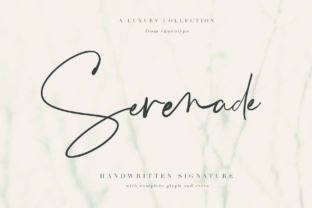
There’s a particular kind of magic in a font that feels both familiar and surprising. It’s the difference between a design that simply communicates and one that truly connects. You know the feeling—you’re scrolling through options, looking for that one typeface that doesn’t just fit the space but tells a story. It needs personality, but not so much that it overwhelms. It requires elegance, but with a strength that ensures it won’t get lost on a busy page. This is the sweet spot where Serenade Script lives, a classic script font that understands the assignment: deliver timeless appeal with a confident, modern twist.
For anyone building a brand, crafting an invitation, or designing a product label, typography is the silent ambassador. It sets the mood before a single word is read. A premium font like Serenade Script isn’t just a design asset; it’s a foundational piece of visual communication. Its flowing, connected letterforms carry the warmth and authenticity of a handwritten font, yet each character is crafted with a precision that ensures clarity. This balance is crucial. It allows the font to feel personal and approachable without sacrificing the professionalism required for commercial use, making it a versatile tool for designers and entrepreneurs alike.
A Typeface with a Dual Personality: Graceful Yet Commanding
What makes Serenade Script visually appealing is its thoughtful duality. It possesses the graceful, flowing rhythm of traditional script fonts, reminiscent of elegant penmanship. This gives it an inherent sense of sophistication and romance, perfect for projects where a touch of class is desired. However, it avoids the delicate, sometimes fragile quality of some scripts. There’s a boldness in its strokes, a certain weight and confidence that prevents it from looking whimsical or overly formal. This "lovely and bold twist" means it holds its own in modern contexts, whether it’s stamped on a coffee bag, featured in a hero section of a website, or used for a striking poster headline.
Consider the practical implications of this design. In logo design, you need a mark that is both memorable and scalable. Serenade Script’s clear character shapes ensure it remains legible when reduced to a small favicon or embroidered on merchandise. Its bold presence means it won’t disappear against complex backgrounds in packaging design or on busy social media graphics. For brand identity work, choosing a typeface like this signals that a brand values heritage and craftsmanship but isn’t stuck in the past. It’s a modern typography choice that feels both current and enduring.
From Digital Screens to Physical Products: Where It Truly Shines
The true test of a creative font is its versatility across different mediums. Let’s break down where Serenade Script can be effectively applied, moving from the digital realm to the tangible world.
- Digital Presence & Marketing: This typeface excels in creating compelling web design headers, especially for lifestyle, boutique, or artisanal brands. It’s equally effective for blog titles, email newsletter graphics, and digital products like e-book covers or course materials. In the fast-scroll environment of social media, its distinctive letterforms can stop the thumb, making it a powerful tool for Instagram stories, Facebook ads, and Pinterest pins.
- Print & Editorial Work: Think beyond the screen. Serenade Script brings a tactile, human quality to print materials. It’s a natural fit for invitations—wedding suites, gala events, or boutique product launches. In editorial design, it can create beautiful pull quotes or chapter headings in magazines and lookbooks. For packaging, it suggests a handcrafted, premium quality, ideal for labels on cosmetics, gourmet foods, or artisanal spirits.
- Branding & Merchandise: Building a consistent visual language is key to recognition. Using Serenade Script across your logo, website, and printed collateral creates a cohesive feel. This extends to merchandise like t-shirts, tote bags, or mugs, where a bold, clean script translates well to various printing methods, from screen printing to embroidery.
Practical Guidance for Using This Script Font
Adopting a new font into your toolkit is exciting, but a few practical considerations will ensure you get the most out of it. First, always review the included font styles. Many premium fonts like Serenade Script come with alternates, ligatures, or stylistic sets. These are not just decorative extras; they are functional tools that allow you to customize the look, perhaps swapping out a capital letter for a more flourished version or connecting letters in a more natural way.
Next, font pairing is where the magic of design happens. A script font, no matter how versatile, shouldn’t carry an entire design alone. The key is contrast and hierarchy. Pair Serenade Script with a clean, simple sans serif font for body text. This creates a clear visual hierarchy—the script for impact and emotion, the sans serif for easy reading. For a different vibe, it can also pair nicely with a classic serif font, especially for more formal or traditional projects. Always test your pairings in the context of your actual design, checking for balance and readability.
Speaking of readability, it’s a non-negotiable, especially for web design and any text meant to be read in paragraphs. Use Serenade Script for headlines, titles, and short bursts of text where its personality can be appreciated without causing eye strain. Avoid setting long paragraphs in script; that’s the job of your complementary body font. Finally, before using the font for any commercial project, carefully review the commercial licensing. Ensure the license covers your intended use, whether it’s for client work, print-on-demand products, or digital goods. This due diligence protects you and respects the work of the type designer.
Ultimately, selecting a font like Serenade Script is about finding a voice for your project. It’s for the designer who wants to add a layer of authenticity, the small business owner aiming to stand out on a crowded shelf, or the content creator seeking to elevate their visual storytelling. It’s a tool that, when used thoughtfully, doesn’t just decorate a design—it helps define its character, making your work not only seen but felt.