Why Designers Keep Reaching for Mottas Script
There's a particular kind of magic in a font that feels like it was written by a real person. Not a machine, not a template — a human hand moving across paper with intention and personality. That's exactly what Mottas Script delivers, and it's why this creative font has found its way into so many branding projects, packaging designs, and social media campaigns over the past few years.
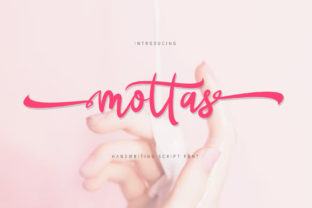
Mottas Script is a fun and modern handwritten font with an authentic feel. It carries the warmth of hand-lettering without sacrificing the consistency that professional projects demand. If you've ever struggled to find a typeface that bridges the gap between casual and polished, this one deserves a closer look.
The Personality Behind the Letters
What sets Mottas Script apart from the hundreds of other script fonts on the market? It comes down to character. The letterforms have a natural flow — slight imperfections, varied stroke weights, and a rhythm that mimics actual handwriting. But unlike fonts that lean too far into the "scrawled on a napkin" aesthetic, Mottas Script maintains enough structure to remain legible at different sizes.
This balance is harder to achieve than most people realize. A handwritten font that looks beautiful at 72 points on a poster might become an unreadable mess at 14 points on a website. Mottas Script handles this transition well, which is one reason it works across such a wide range of applications. The typeface feels approachable without being sloppy, distinctive without being distracting.
For anyone building a brand identity — whether you're a freelance photographer, a boutique candle maker, or a local bakery — that kind of visual personality matters. Your typography is often the first impression someone has of your business, and a font like this one communicates warmth, creativity, and authenticity in a single glance.
Where This Font Truly Shines
Let's talk about practical applications, because a font is only as good as the projects it elevates. Mottas Script works beautifully in logo design, particularly for brands that want to feel personal and approachable. Think about the logos you see on artisan products at a farmers' market — the coffee roasters, the handmade soap companies, the boutique florists. That handwritten, crafted feeling is exactly what this typeface captures.
Packaging design is another area where Mottas Script excels. When you're standing in a store aisle scanning dozens of similar products, the one with typography that feels human and inviting tends to catch your eye. This display font can help a product label feel less corporate and more personal, which is a powerful differentiator in crowded markets.
Social media graphics benefit enormously from fonts with personality. Instagram posts, Pinterest pins, and Facebook ads all compete for split-second attention. A distinctive script font can stop a scrolling thumb and draw someone into your message. Mottas Script works particularly well for quote graphics, sale announcements, and promotional posts where you want the text itself to feel like a visual element, not just information.
Beyond digital spaces, this typeface holds its own in print materials. Wedding invitations, event posters, menu designs, thank-you cards, and editorial layouts all benefit from a handwritten font that doesn't look generic. If you're designing merchandise — tote bags, mugs, t-shirts — Mottas Script brings that handcrafted quality that customers respond to.
Pairing It With Other Typefaces
One of the most practical things you can learn as a designer or business owner is how to pair fonts effectively. Mottas Script, like most script typefaces, works best when it's not carrying the entire visual load alone. Pair it with a clean sans serif font for body text, and you get a layout that's both expressive and readable.
For example, imagine a restaurant menu where the dish names are set in Mottas Script and the descriptions sit in a simple sans serif like Montserrat or Open Sans. The script adds personality and draws the eye to each item, while the sans serif keeps the supporting text easy to scan. That contrast creates visual hierarchy without requiring any design trickery.
You could also pair it with a serif font for a more editorial feel. A lifestyle blog header in Mottas Script combined with a classic serif like Lora or Playfair Display for the body copy creates a sophisticated yet approachable reading experience. The key is to let the script font do the heavy lifting on headlines, logos, and accent text, while your secondary typeface handles the longer passages.
When testing font pairings, always check how they look at the actual sizes you'll be using. A combination that looks gorgeous in your design software at 120 points might lose its charm when reduced to a business card or website navigation bar. Print a test page. View it on your phone. Walk away and come back with fresh eyes. These small steps save you from discovering problems after a project is already live.
Readability and Real-World Considerations
Every script font comes with readability trade-offs, and it's worth being honest about that. Mottas Script is more legible than many handwritten typefaces, but it's still a script font. That means it's not the right choice for long paragraphs, legal disclaimers, or any context where clarity is non-negotiable.
Use it strategically. Headlines, subheadings, pull quotes, logos, short phrases, and decorative text are where it belongs. For anything longer than a sentence or two, switch to a serif or sans serif font that prioritizes readability. Your audience will thank you, and your designs will actually communicate instead of just looking pretty.
Size matters too. Script fonts generally need to be set a bit larger than their sans serif counterparts to remain legible. If you're using Mottas Script on a website, make sure the text is large enough to read comfortably on both desktop and mobile screens. On packaging, consider the distance from which someone will be reading — a label on a shelf six feet away requires different sizing than a business card held in someone's hand.
Licensing and Getting Started
Before incorporating any premium font into a commercial project, take a moment to review the licensing terms. Most quality typefaces, including Mottas Script, come with clear guidelines about what's permitted. Typically, a commercial license covers use across your own brand materials, client work, and products you sell. Some licenses are per-project, others are per-user, and a few offer unlimited usage.
Understanding these terms upfront prevents headaches later. If you're a designer working with clients, make sure the license covers the intended use. If you're a small business owner creating your own materials, confirm that selling merchandise with the font is included. It's a five-minute read that protects you and respects the work of the type designer who created the asset.
Once you've sorted the licensing, spend some time exploring the font files. Many premium script fonts include alternate characters, ligatures, and stylistic variations that can dramatically change the look of your text. Mottas Script offers stylistic options that let you customize the feel of your lettering — swapping out a particular letter shape or adjusting connections between characters. These details are what separate a design that looks like it used a default font from one that feels intentionally crafted.
The best way to know if a typeface works for your needs is to test it in context. Download it, set your actual project text — not just "The quick brown fox" — and see how it feels. Does it match the mood you're going for? Does it pair well with your existing design assets? Does it work at the sizes and in the applications you need? Those answers will tell you more than any article ever could.
Typography is one of those design elements that people often overlook until something feels off. A mismatched font can make an otherwise beautiful brand feel disjointed, while the right typeface can tie everything together with invisible precision. Mottas Script occupies a specific and useful niche in the modern typography landscape — it's expressive enough to stand out, versatile enough to work across platforms, and polished enough to represent a professional brand. Whether you're designing a wedding invitation suite, building a product line, or creating a social media presence that actually connects with people, it's worth having in your toolkit.