Commuter Script: The Retro-Futuristic Typeface for Modern Brands
There’s a particular energy to a design that feels both nostalgic and forward-thinking. It taps into a memory of sleek chrome, neon-lit cityscapes, and optimistic predictions of tomorrow, all while feeling crisp and relevant today. Achieving that specific vibe often hinges on the typography you choose. You need a typeface that carries the weight of retro-futurism without feeling like a museum piece. That’s the space Commuter Script occupies—a display script font that merges the fluidity of hand-lettering with the structured, techno-inspired aesthetics of a bygone vision of the future.
More Than Just a Font: Capturing a Specific Vibe
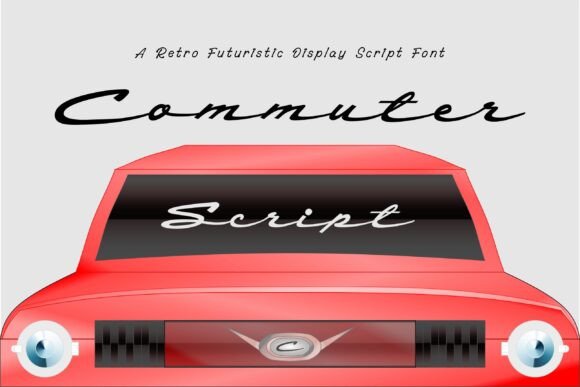
At its core, Commuter Script is a display typeface. This means it’s engineered for impact, not for setting long paragraphs of body text. Its strength lies in headlines, logos, and short bursts of text where personality needs to shine immediately. The "script" element gives it a human, connected quality, as if each letter is part of a continuous, flowing motion. This prevents it from feeling cold or overly mechanical. The "techno" or retro-futuristic influence comes through in its letterforms—think clean, confident strokes with a subtle geometric backbone, perhaps echoing the design language of 1980s signage or the streamlined aesthetics of mid-century modernism.
This dual nature makes it incredibly versatile for specific creative goals. It’s a premium font that isn’t just about looking good; it’s about evoking a precise feeling. For a brand identity project, it can instantly communicate innovation, speed, and a touch of rebellious cool. It’s the typographic equivalent of a vintage synthesizer sound in a modern track—familiar yet fresh.
Where This Typeface Truly Shines: Practical Applications
Understanding a font’s personality is one thing; knowing where to deploy it is another. Commuter Script excels in scenarios where you need to grab attention and set a distinct tone. Here’s how it can be put to work across various projects:
- Logo Design & Branding: This is its sweet spot. For a tech startup, a gaming channel, a boutique electronics brand, or a retro-themed café, this script font can become the cornerstone of a logo design. It ensures the brand is memorable and visually communicates its niche at a glance.
- Packaging & Merchandise: Imagine this font on packaging for specialty coffee, craft beer, or tech accessories. On merchandise like t-shirts, hats, or posters, it adds an instant layer of curated style that appeals to a design-savvy audience.
- Digital Presence: In the realm of web design and social media graphics, it’s perfect for hero section headlines, Instagram story titles, YouTube thumbnails, and promotional banners. It stops the scroll because it’s different from the sea of standard sans-serifs.
- Editorial & Marketing: Use it for magazine cover lines, event posters for music festivals or tech conferences, and marketing assets like email headers or digital ad graphics. It injects energy into any editorial design layout.
- Invitations & Digital Products: For themed party invitations, workshop flyers, or even the title pages of digital products like ebooks or online courses, it sets the mood before a single word of content is read.
The key is context. This isn’t the font for your legal disclaimer or a medical report. It’s a creative instrument for projects where style and atmosphere are paramount.
Pairing for Power: Building a Cohesive Typographic System
No font is an island. The true power of a display font like Commuter Script is unlocked when paired thoughtfully with supporting typefaces. The goal is to create hierarchy and ensure readability where it matters most.
A classic and effective strategy is to pair it with a clean, neutral sans serif font. The sans-serif handles the body text, product descriptions, or longer captions with clarity, while Commuter Script commands attention in the headlines. This contrast creates a dynamic visual rhythm. For a more layered approach, you might introduce a simple serif font for subheadings to bridge the gap between the bold display type and the utilitarian body text.
When testing pairings, consider the x-height and the overall "color" (the density of the text block) of each font. They should complement, not compete. A good practice is to mock up a simple layout—a website header with a tagline, or a business card—and see how the fonts interact in a real-world scenario. This practical test is worth more than any theoretical rule.
Practical Considerations for a Smooth Creative Process
Before diving into a project, a few practical checks will ensure Commuter Script works seamlessly for you. First, review the full character set and any included styles. Many premium fonts come with alternates, ligatures, or stylistic sets—special character variations that can add extra flair or solve spacing issues. Knowing what’s in the toolkit lets you use it to its full potential.
Second, always think about readability. While it’s designed for display, you still need to ensure the word or phrase is legible at its intended size. Test it at the scale it will be used. A font that looks stunning in a 100-point headline on your screen might become an unreadable blob as a small favicon.
Finally, understand the licensing. If you’re using this for a client project, a product for sale, or widespread marketing, you need to ensure you have the correct commercial font license. This isn’t just a legal formality; it’s about respecting the work of the type designer and ensuring your project is built on a solid, ethical foundation. It’s a small step that prevents major headaches down the line.
In the end, choosing a typeface like Commuter Script is a strategic decision. It’s for the designer or entrepreneur who wants their brand to feel specific, evocative, and confidently styled. It’s a tool for building visual worlds that resonate with a particular audience, turning a simple project into a memorable experience. When the retro-futuristic vibe is what you need, this creative font delivers a potent blend of nostalgia and forward momentum.