Why Lucy Carter Script Feels Like a Handwritten Letter
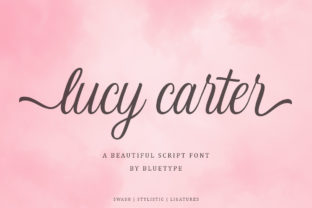
There’s a certain warmth that radiates from a design when it feels personal. In a digital landscape often dominated by sharp, geometric sans-serifs, the human element can sometimes get lost. This is where typography does more than just display text; it sets a mood. If you are looking to bridge the gap between professional polish and authentic charm, you might find yourself drawn to the delicate curves of Lucy Carter Script. It isn’t just another typeface; it is a tool for visual storytelling that captures the essence of a handwritten note, offering an undeniably lovely charm to any project it touches.
Capturing Authenticity in Modern Design
When we talk about modern typography, we are often talking about balance. You want your design to look current and clean, but you also want it to be relatable. A light and elegant handwritten font like Lucy Carter Script strikes this balance perfectly. It avoids the messy, illegible look of some grunge scripts while steering clear of the stiff rigidity of corporate typefaces. Instead, it sits in a sweet spot of sophistication and approachability.
For a brand strategist or a small business owner, the font you choose is the voice of your visual identity. Think about the brands you love that feel "human." Often, their success lies in details like typography. A premium font with natural flow can instantly soften a brand's image, making it appear more accessible to customers. Whether you are a baker wanting to put a personal stamp on your packaging or a lifestyle blogger aiming for a cohesive aesthetic, this typeface acts as a silent ambassador for your values.
The Versatility of a Script Font
One of the most common misconceptions about script fonts is that they are limited to wedding invitations or greeting cards. While Lucy Carter Script certainly excels in those contexts—its flowing lines are perfect for romantic stationery—its utility extends far beyond that niche. It is a highly versatile display font that can be utilized across a wide array of commercial and creative projects.
Consider the world of packaging design. If you are launching a new line of organic skincare or artisanal coffee, the typography needs to communicate quality and care. A rigid, blocky font might feel too industrial. However, a handwritten font suggests that a real person was involved in the creation process. It adds a layer of perceived value. Lucy Carter Script works beautifully on labels, sleeves, and boxes, especially when paired with a clean sans serif font for the ingredient lists and legal text.
Practical Applications for Digital and Print
In the realm of social media graphics, standing out is the primary goal. Scrolling through a feed is a passive activity, and you need a visual hook to stop the thumb. Text overlays using Lucy Carter Script can add a dynamic, energetic feel to Instagram stories, Pinterest pins, or promotional banners. It works exceptionally well for highlighting quotes, sale announcements, or call-to-action phrases like "Shop Now" or "Learn More." The elegance of the typeface ensures that even promotional content feels tasteful rather than aggressive.
For web design, readability is king, but that doesn't mean you have to abandon style. This font is best used for headers, hero text, or pull quotes rather than long paragraphs of body copy. Imagine a landing page for a coaching business or a creative agency. Using Lucy Carter Script for the main headline creates an immediate emotional connection, while a sturdy serif font or sans-serif handles the detailed information below. This hierarchy guides the reader's eye and keeps the page looking professional.
Mastering Font Pairings and Hierarchy
A font rarely works entirely alone; it needs a partner. Understanding font pairing is crucial for achieving that high-end, professional presentation. Because Lucy Carter Script is a creative font with a lot of personality, it pairs best with typefaces that are more neutral and understated.
If you try to pair it with another decorative script, the design will likely look cluttered and confusing. Instead, look for a geometric sans-serif or a classic serif. The contrast between the organic, fluid lines of the script and the structured geometry of the secondary font creates a visual rhythm that is pleasing to the eye. This technique is a staple in editorial design and logo design, where you need the brand name to pop while supporting text remains legible.
Ensuring Readability and Visual Consistency
While the aesthetic appeal of a handwritten font is high, you must always prioritize readability. A beautiful message is useless if your audience cannot read it. When using Lucy Carter Script, pay attention to size and spacing. Because it is a light and elegant style, it may lose definition if used at very small sizes, particularly on low-resolution screens.
Always test your typography in the context it will be viewed. If you are designing a mobile app or a responsive website, check how the swashes and ligatures render on a small smartphone screen. For print materials like posters or merchandise, print a physical proof. The texture of the paper can affect how the ink settles into the curves of the letters. Maintaining visual consistency across these different mediums is what separates amateur work from professional brand identity design.
Strategic Branding and Commercial Use
For entrepreneurs and content creators, investing in a commercial font is a strategic decision. Free fonts found on the internet often come with hidden risks—unclear licensing, missing characters, or poor kerning. Lucy Carter Script is a premium font, which generally implies a level of craftsmanship in the design process. The curves are smoother, the spacing is more deliberate, and the file quality is optimized for professional software.
When you use this typeface for your digital products—such as e-books, workbooks, or course materials—it elevates the perceived value of your content. It signals to your customers that you care about the details. It is not just about the words you write; it is about the environment you create for those words. This attention to detail helps build trust and brand recognition over time.
Licensing and Technical Considerations
Before finalizing any design, it is essential to review the licensing terms of your design assets. A common oversight in the creative industry is using a desktop license for web embedding or merchandise. Ensure that your usage of Lucy Carter Script aligns with the license you have purchased. If you plan to use the font on t-shirts, mugs, or other merchandise, verify that the commercial license covers physical goods for sale.
Additionally, explore the full character map of the font. High-quality modern typography often includes stylistic alternates, swashes, and ligatures. These extra glyphs allow you to customize the look of the text so that two words using the same font don't look identical. This is particularly useful for logo design, where you want a unique lockup that feels bespoke to your brand.
Turning Projects into Standouts
Ultimately, the goal of any design project is to communicate effectively and leave a lasting impression. Lucy Carter Script offers a way to inject personality into your work without sacrificing elegance. It is a versatile tool in the designer's toolkit, suitable for everything from a chic boutique logo to a heartfelt personal blog header.
By thoughtfully integrating this typeface into your marketing assets and visual communications, you create a cohesive world for your audience to step into. It proves that you don't need complex graphics or loud colors to make an impact; sometimes, a simple, elegant line of text is all it takes to turn a standard project into something truly special.