Why Macrofhyllya Script Feels Like Handwritten Art
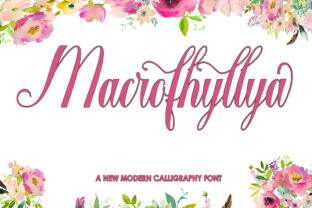
There’s a certain magic in typography that feels human. In a digital landscape crowded with sterile, geometric sans-serifs and predictable serifs, finding a typeface that carries the warmth and imperfection of a hand-drawn line can feel like striking gold. That’s exactly the kind of energy the Macrofhyllya Script brings to the table. It isn’t just another cursive font; it is a modern script designed to bridge the gap between digital precision and organic texture. Created using a brush and ink, it captures the fluidity of real handwriting, complete with an irregular baseline that mimics the natural movement of the human hand.
For designers, entrepreneurs, and content creators, the challenge is often finding a font that feels authentic without looking messy. You want that "artisan" vibe for your branding, but you still need it to function as a professional design asset. This typeface manages to walk that tightrope effectively. It feels personal and intimate, which is a massive asset in an era where audiences crave connection and authenticity from the brands they support.
The Anatomy of an Organic Typeface
When you look closely at Macrofhyllya Script, the first thing you notice is the texture. It doesn't have the smooth, vector-perfect curves of a standard computer font. Instead, it retains the grit and variation of a brush stroke. This is crucial for watercolor designs and handmade quotes where a standard font would stick out like a sore thumb against a textured background.
The irregular baseline is a particularly smart design choice. In traditional typography, we are taught that letters must sit perfectly on a line. However, in the world of modern typography and branding, perfection can sometimes feel cold. By allowing the letters to dance slightly above and below the line, the font mimics the way we actually write on paper. This subtle movement adds a layer of visual interest that static fonts simply cannot replicate.
However, this organic nature comes with a specific set of rules for usage. Because it is a script font, it is naturally more decorative. It is designed to be a display font, meaning it shines brightest in headlines, logos, and short bursts of text. It is not intended for body copy in a novel or a technical manual. Understanding this distinction is the first step in using it effectively.
Practical Applications for Branding and Business
If you are a small business owner or a creative entrepreneur, typography is one of the most powerful tools in your visual arsenal. The typeface you choose tells a story before the customer even reads the words. Macrofhyllya Script tells a story of creativity, craftsmanship, and personality.
Consider the packaging design for a skincare line or a specialty coffee brand. If you use a rigid, corporate font, you signal mass production. If you use a handwritten font like this one, you signal small-batch care and attention to detail. It works beautifully on:
- Logo Design: It creates an immediate signature look, perfect for personal brands or boutique agencies.
- Wedding Stationery: The brush strokes mimic calligraphy, making it ideal for invitations, save-the-dates, and thank you cards.
- Merchandise: On t-shirts, tote bags, and mugs, this font feels like custom art rather than generic text.
- Social Media Graphics: In a feed full of standard text, a fluid script can stop the scroll. It’s excellent for quotes, announcements, and sale banners.
For those in the editorial design space, such as magazine covers or blog headers, this font adds a touch of elegance. It pairs exceptionally well with high-quality photography, overlaying images to create a layered, sophisticated look.
Mastering Font Pairing for Visual Consistency
One of the most common pitfalls in design is using a premium font in isolation. While Macrofhyllya Script is beautiful on its own, it truly comes alive when paired correctly. Because it has high visual personality and texture, it needs a partner that is more subdued.
A general rule of thumb in modern typography is to contrast the headline with the body text. Since the script is organic and flowing, you should pair it with a clean sans serif font for your body copy. Fonts like Montserrat, Open Sans, or Lato provide a neutral background that allows the script to take center stage without creating visual chaos.
Avoid pairing it with other decorative fonts or a busy serif font, as this can make the design look cluttered and difficult to read. The goal is readability. You want the audience to be able to read your message instantly. If the headline is artistic, the supporting text must be utilitarian.
Testing and Refining Your Layout
Before finalizing a design, always test your typography in context. A font that looks great on a white background might get lost on a busy watercolor texture. Try adjusting the size and the color. Because Macrofhyllya Script has thick brush strokes, it often looks best in a bold color or white against a dark background. Play with the leading (line spacing) as well; since the baseline is irregular, you may need to increase the spacing between lines to prevent letters from crashing into each other.
Commercial Use and Licensing Considerations
For professionals, the aesthetic appeal of a font is only half the equation; the legal framework is the other. When downloading a creative font like this, you must pay close attention to the licensing terms. Most fonts found on reputable marketplaces come with specific licenses—typically a Standard License for personal use and a Commercial License for business use.
If you plan to use Macrofhyllya Script on products for sale—such as t-shirts, mugs, or digital templates sold on Etsy—you need to ensure your license covers "print on demand" or "merchandise." If you are using it for a client's logo, you usually need to ensure the client receives the appropriate usage rights or that the license covers "end products."
Always read the fine print. Knowing that you have the right to use a commercial font allows you to build your brand identity with confidence, without fear of copyright infringement down the road.
Elevating Digital Products and Marketing Assets
In the world of digital marketing and web design, user experience is king. However, visual appeal is what draws the user in. Using a distinctive font for your marketing assets—like lead magnets, PDF guides, or online course materials—can significantly increase the perceived value of your product.
Imagine downloading a free guide from a website. If it is typed in Times New Roman, it feels like a homework assignment. If it is designed with Macrofhyllya Script for the headers and a clean sans-serif for the body, it feels like a professional, high-value publication. This is the power of good brand identity.
Furthermore, for blog design, using this font for your post titles can help establish a consistent "voice" for your site. It sets a mood immediately. Whether you are a lifestyle blogger, a food photographer, or a coach, this typeface helps you communicate your niche visually before the reader even processes the semantics of the sentence.
Final Thoughts on Typography as a Tool
Typography is more than just arranging letters; it is about arranging feelings. Macrofhyllya Script offers a specific feeling: one of warmth, creativity, and human touch. It is a versatile design asset that, when used thoughtfully, can transform a standard project into something memorable.
Whether you are designing a wedding invite, branding a new coffee shop, or creating a header for your latest blog post, remember that the font you choose is the clothing your words wear. By incorporating this modern script into your toolkit, you are choosing an outfit that is stylish, professional, and undeniably authentic. It is a reminder that in a digital world, the human touch is still the most valuable currency of all.